20 May is Weights and Measures Day, the anniversary of an international treaty, signed on 20 May 1875, providing for the establishment of an International Bureau of Weights and Measures.
On this day in 1885, Jan Matzeliger, an African-American inventor in the shoe industry, began the first U.S. mass production of shoes, in Lynn, Massachusetts.
Matzeliger was born in 1852 in Paramaribo (then Dutch Guyana, now Suriname) to a Dutch engineer father and a Surinamese slave mother. After moving to Massachusetts in 1877, he went to work in the Harney Brothers Shoes factory. At the time, there was no way to mechanically attach the upper part of a shoe to the sole – it had to be done manually by a “hand laster”. A skilled hand laster could produce 50 pairs of shoes in a ten-hour day.
He began work on designing a shoe-lasting machine, and after five years, Matzeliger obtained a patent for his invention in Mar 1883 (U.S. No 274,207). His machine could produce between 150 to 700 pairs of shoes a day, cutting shoe prices across the nation in half.
Sadly, Matzeliger died from tuberculosis soon after, which meant he never saw the full profit of his invention.
So today, 18 May 2012, is the first ever official “Fascination of Plants Day”, launched under the umbrella of the European Plant Science Organisation (EPSO).
In a way it is sad that there’s a need for an official day to get us humans to appreciate the many wonders of plants and the natural world around us. Expounding at length on the virtues of plants would fill volumes, so I’ll just touch on one aspect that leaves me forever fascinated.
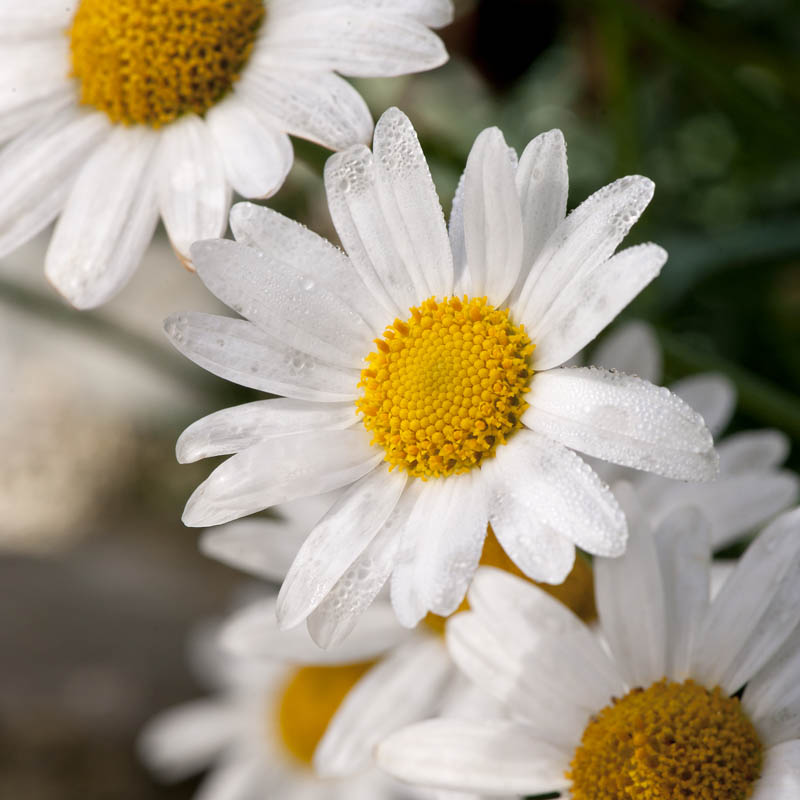
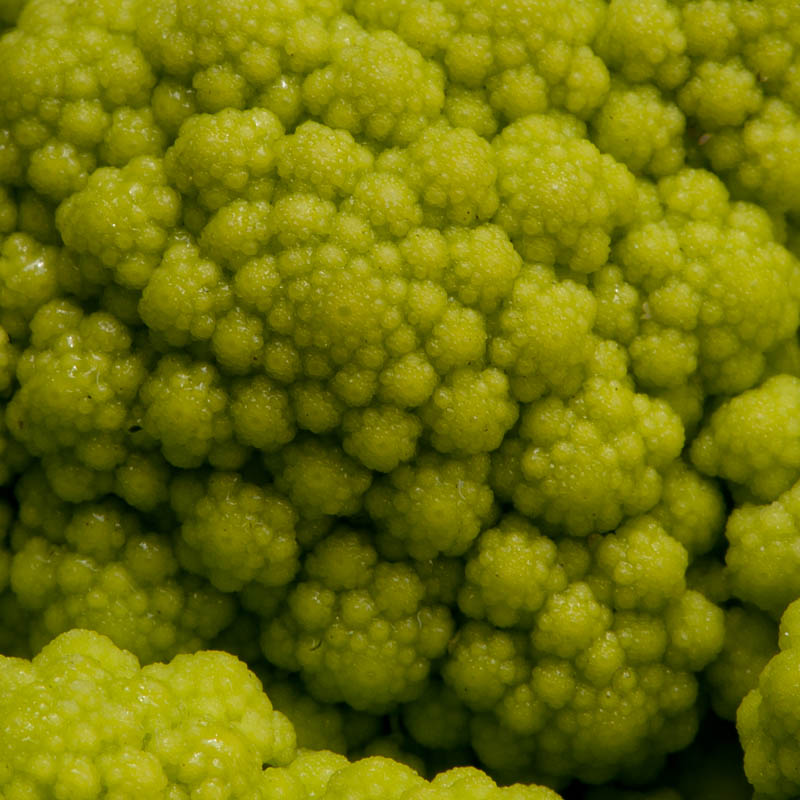
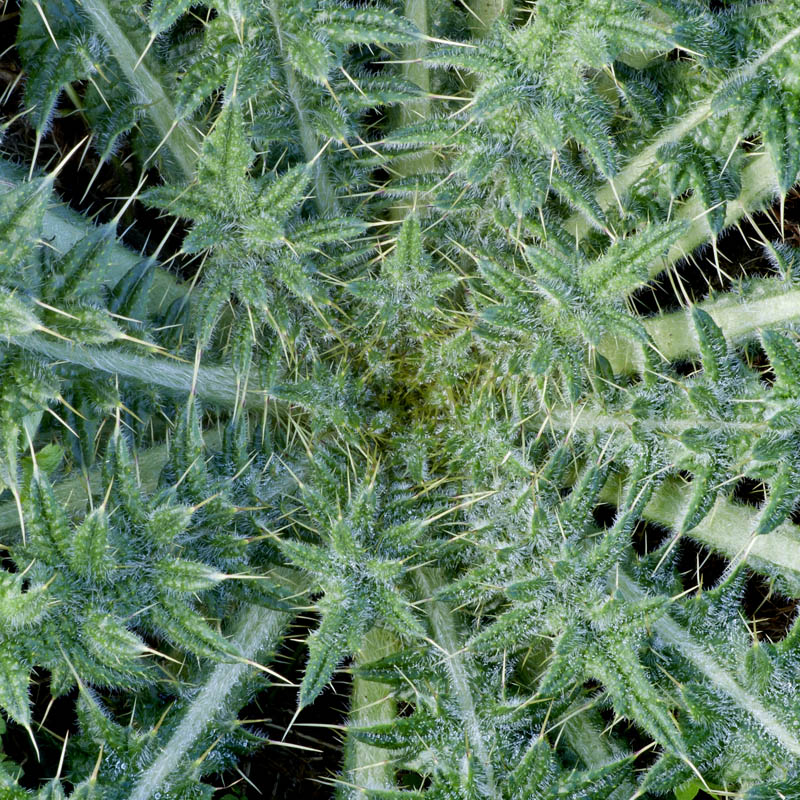
Plants are truly the physical embodiment of mathematical precision. The more time we devote to the study of the mathematical structure of our flora, the more fascinating it becomes. Ferns curve according to the golden section, fibonacci numbers appear all over the place, in the patterns of leaves, the number of petals on flowers, and the wonderfully intricate spirals appearing on flower heads. Then there’s the uncanny fractal structures created by veins of leaves, and beautifully displayed on the broccoflower.
So go on, spend some time in the garden – its good for you, not just physically, but mentally as well!


 Sciencelens