Page 22 of 38

Commemorating the end of shoe rationing

Today is a good day to celebrate shoes – leather and rubber shoes in particular. Because today we commemorate the day in 1945 when the US government announced the end of shoe rationing.

In the Second World War, many things were rationed in various parts of the world, due to production delays, lack of raw materials, etc. As it happens, one of these was shoes (here’s a nice story about the WWII shoe rationing in the US). Apparently, serious rubber shortages at the time meant that rubber shoes were in very short supply, and the military’s leather requirements (for boots, jackets and more) resulted in limitations also being placed on leather shoes.

Having more than one pair of rubber work boots in the home must have been quite a luxury in the early 1940s.
(© All Rights Reserved)

From 1942, rubber boots and rubber work shoes were rationed – you had to apply for a new pair at a rationing board, and if your application was approved, you had to turn in your old pair. And only work shoes were allowed – no sports sneakers could be purchased. Similarly, rationing of leather shoes started in 1943. Each person (adult and child) was allowed up to 3 pairs of new leather shoes per year, bought using special rationing stamps.

And then, on 30 October 1945 – a happy day for shoe lovers! – the rationing was lifted. Men were again able to buy as many pairs of work boots as they liked. Shoe addicts were no longer bound by the painful limit of three pairs of new must-have’s a year. Children could get all the shoes they needed to accommodate their growing feet. And athletes could burn through as many pairs of sneakers as they wanted.

I for one would have easily been able to carry on as normal during the great WWII shoe rationing – shoes are practical things, after all, and surely don’t need replacing until they fall apart, do they? And, in most cases, they’re not even good for you – as I’ve mentioned before, you’re definitely better off going barefoot when possible. So the whole shoe addiction thing is a bit of a mystery to me.
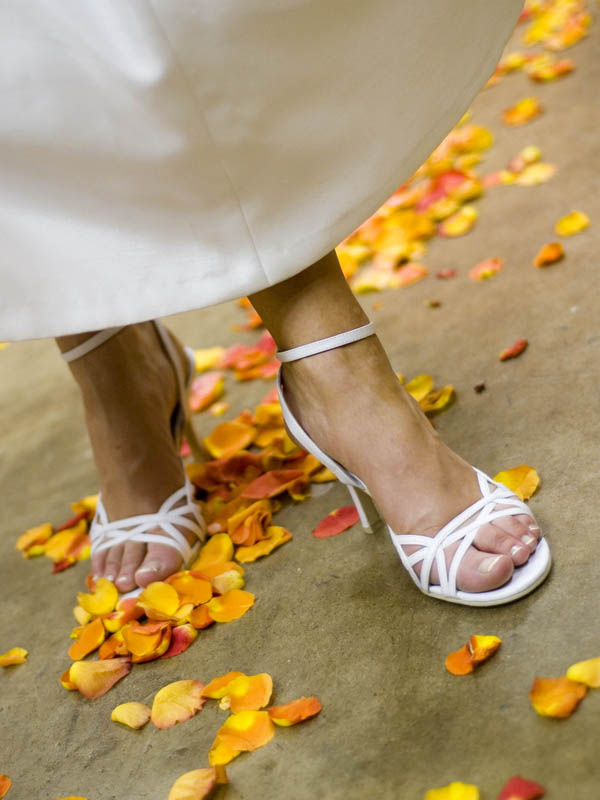
After 1945, those who cannot say no to a pretty shoe could again shop to their heart’s content.
(© All Rights Reserved)

In trying to add a bit of science to this post, I thought I might be able to find some research on the topic of shoe addiction, but alas, that seems to be a field of study that’s still wide open for psychologists and cognitive scientists. And it’s not as if there’s a lack of outspoken test subjects out there – just Google “shoe addiction” and you will be swamped in millions of blog-posts and other articles from self-confessed shoe addicts. From the average girl next door who would happily forego food for a week to afford another special pair of shoes, to Danielle Steele, who apparently owns in excess of 6000 pairs (quite an interesting addiction, by the way, for a writer who, one would assume, should be spending a significant amount of her time in front of a keyboard…).

So, where do you stand on the shoe debate – are they an undeniable passion or a necessary evil?
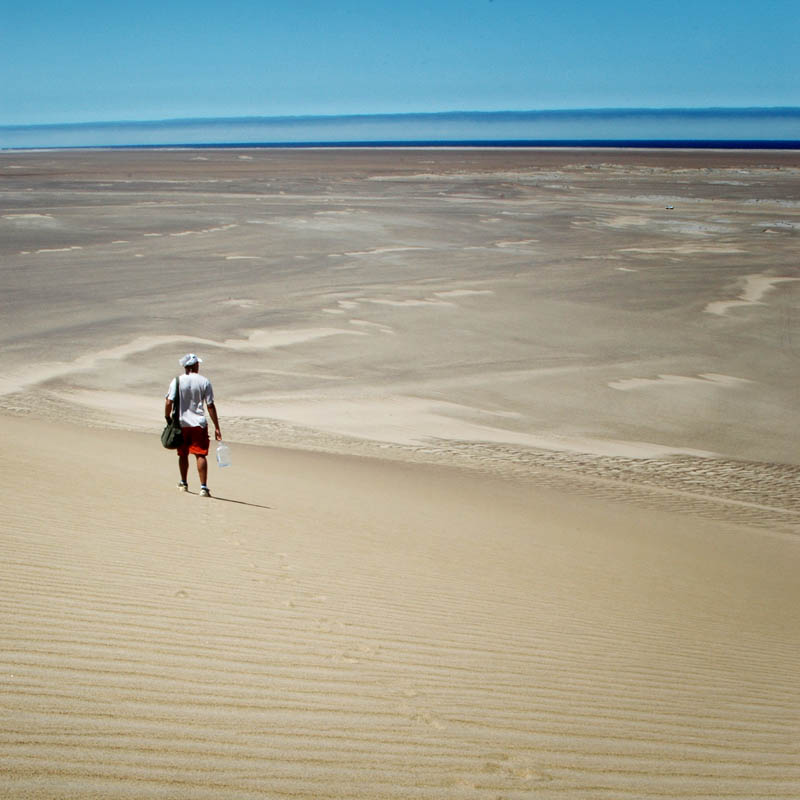
Recharge your batteries with some alone-time on Hermit Day

It’s Monday, the start of yet another busy week. Today, as we speed towards the end of the year at an ever increasing speed, rushing to get everything done in our ever-busier lives, we celebrate a special day that may be just what the doctor ordered – today is Hermit Day.

A hermit, according to the Free Dictionary, is “a person who has withdrawn from society and lives a solitary existence; a recluse.” While the concept of a hermit traditionally has religious connotations, and is specifically associated with people who choose to live a life of ascetic seclusion out of religious conviction, it can also be more generally applied. As stated in Wikipedia, “In modern colloquial usage, the term ‘hermit’ denotes anyone living a life apart from the rest of society, or who simply does not participate in social events as much as is common, regardless of their motivation in doing so, including the misanthrope.”

Spending some quality alone-time can help put the bigger picture in perspective.
(© All Rights Reserved)

So, today is the day to shun all those tiring social responsibilities and to spend some me-time. Stay inside, or if the weather is good, spend some alone time in the garden, or go walk a secluded trail. Heck, stay in bed if you you feel that’s what you need. Unplug the phone, switch off the mobile, just avoid all social contact for a day.

OK, in this age of connectedness you may need a slightly earlier warning to plan for a day of total seclusion, but even if you cannot spend the entire day by yourself, try to at least spend some alone-time to recharge your batteries. And maybe make a concerted effort to plan your own personal hermit day for some other time – it can do you a world of good.

In a 2011 Boston Globe article called The Power of Lonely, it is reported that, despite the oft publicized benefits of social concepts like collaborative innovation, group-therapy, social support structures etc, there is an emerging body of research suggesting that some seclusion and alone-time can be very beneficial. The article (a good read, by the way) lists research hinting at the positive impact that alone-time can have on memory recall and creative thinking. It is also suggested that spending time by ourselves improves our subsequent interactions with others when we have to return to more social activities.

An important factor differentiating between solitude being a positive or negative experience, is whether that solitude is by choice. When we choose to spend some time alone, the time can be beneficial on many levels. If, on the other hand, we are isolated or secluded against our will, the association tends to be much more negative and can be a rather harmful experience.

Perhaps one of the best quotes on the value of voluntary seclusion comes from the great scientist and inventor Nikola Tesla, who once said “The mind is sharper and keener in seclusion and uninterrupted solitude. Originality thrives in seclusion free of outside influences beating upon us to cripple the creative mind. Be alone—that is the secret of invention: be alone. That is when ideas are born.”

Learning to live off the land on Wild Foods Day

Today, 28 October, is Wild Foods Day, a day to celebrate edible wild plants. Wild-growing fruits and vegetables have through the ages been a key food source for many people, and these foods are now starting to get their time to shine, with more and more gourmet chefs introducing unique twists on their menus through the incorporation of wild fruits, root crops etc.

Being unprocessed and thus free from pesticides and other interventions, wild fruits and vegetables are also an eco-friendly choice, and many argue that fruits and veges grown without intervention has an intensity of flavour not found in more cultivated varieties – hence the wonderful wine made from free-growing bushvine grapes, for example.

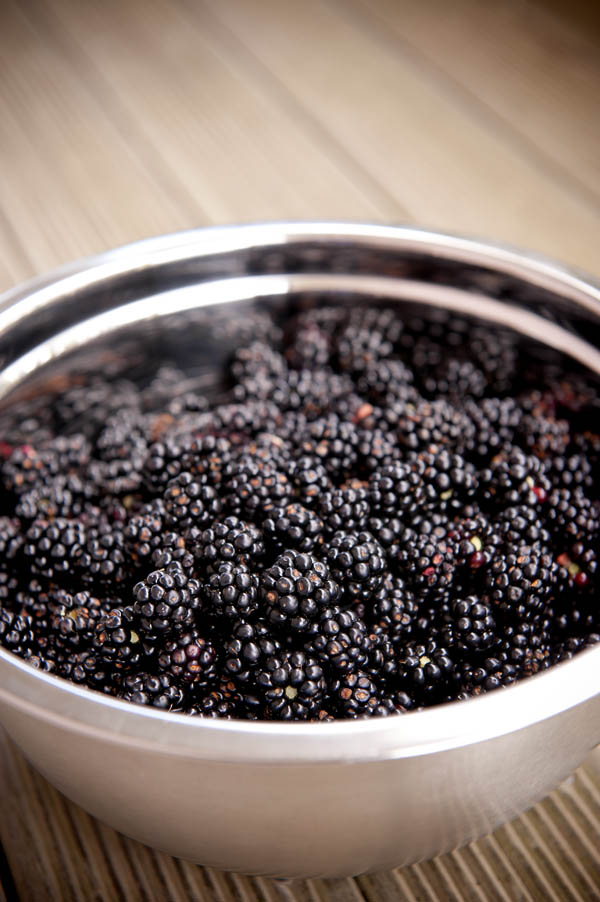
A bowl of freshly picked wild blackberries, ready to be made into a wonderful blackberry and port jam.
(© All Rights Reserved)

On this day, you are encouraged to learn about, and find, wild fruits that grow in your area. It is amazing how much edible stuff there is freely available around us if we just know what to look for – from herbs to edible flowers and leaves to all kinds of berries and other fruits. Just remember that not all pleasant-looking berries etc are edible – some will leave you with a pretty sore tummy, or much worse. It is definitely recommended that you do your homework before setting off to ‘live off the land’!

On the section of land where we live, we have a huge crop of wild blackberries growing freely against a hill. While the aggressively spreading plants can be a pest most of the year, berry season is a exciting, fun, thorny time – you have to be very careful to avoid some rather painful stings from the thorny bramble shoots when harvesting the intensely sour-sweet black fruit. The thorns are definitely not enough to deter the children of the area, hence the common sight during this time of year of kids walking around with reddish-black stained faces and hands.

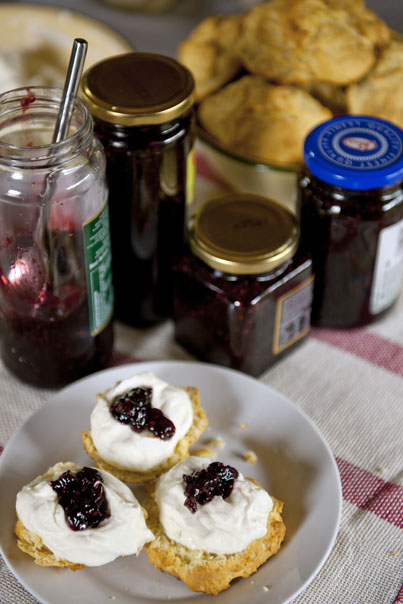
Melt in the mouth homemade scones with fresh cream and tart blackberry jam.
(© All Rights Reserved)

While these berries are great to eat as is, their abundance mean that you’re better off processing some for later use. A personal favourite solution to this ‘problem’ is blackberry jam – an absolute winner served with cream on a homemade scone.

Do you have any interesting wild food growing where you live? Have you eaten it, or processed it for later consumption?  Any interesting tales to share?

A good excuse to howl at the moon

Today is the last Friday in October, the last Friday before Halloween, which means tonight is Howl at the Moon Night. If you’re a fan of Twilight, or any of the vampire franchises, this may be old news to you, and you’ll be all excited and prepared for this night already. On the other hand, if (like me), the whole vampire scene fails to move you, you can always take this opportunity to get rid of some pent-up frustration by indulging in a good holler once the moon appears over the horizon. I’m not suggesting the whole primal therapy trip that was so popular in the early 70s – all I’m saying is that a good yell, howl, holler or scream can do wonders for your stress levels, and if there’s a day (or night) giving you the perfect opportunity to let it rip, why not?

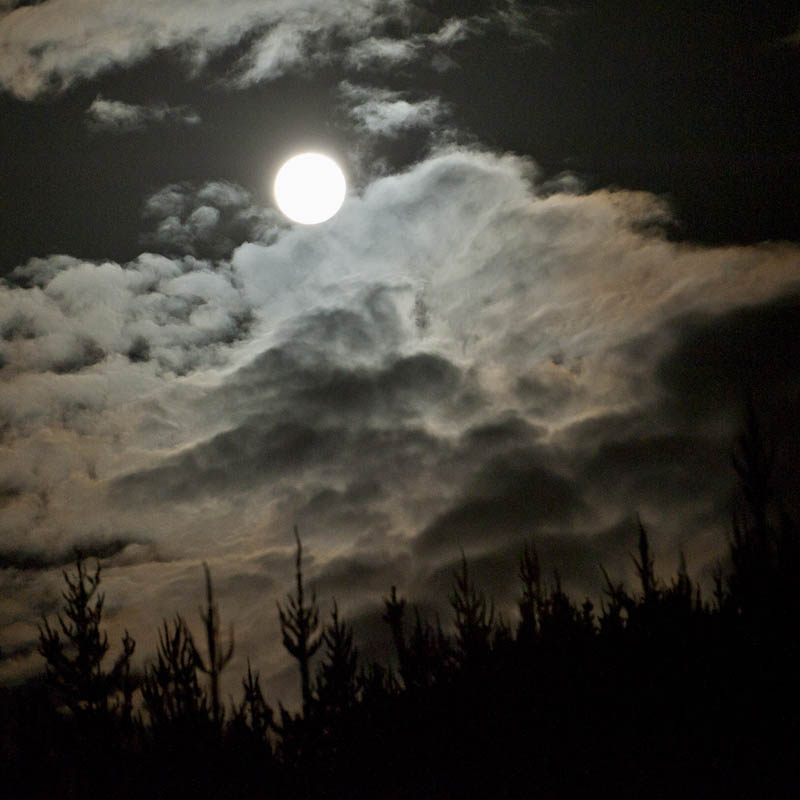
It may not quite be full moon yet, but the last Friday evening of October is just the excuse you need for a good holler at the moon.
(© All Rights Reserved)

Of course, unless you work the night shift, you’re unlikely to be at work when the yelling starts. Which is a pity, given that a study reported in The Independent indicates that freely expressing anger in the workplace is a good way of keeping your heart healthy. Apparently, people who suffer in silence after unfair treatment at work have twice the risk of dying from heart disease compared to those who vent their anger. Researchers from the University of Stockholm followed 2755 male workers for a period of 13 years, from 1990 to 2003, measuring their blood pressure, body mass index and cholesterol levels, and related this to their coping mechanisms at work. After correcting for biological factors, they found those who bottled up their anger had higher blood pressure and were twice as likely to suffer from heart disease. Studies on women showed similar trends, though not as pronounced as their male counterparts.

The value of a good yell is widely acknowledged.  American psychiatrist Dr Peter Calafiura says that yelling can have a positive mental influence.  It triggers endorphins, resulting in a natural high, and a generally good feeling. This is very similar to the well-known runner’s high, so perhaps today is a good day to skip your post-work run and rather have a howl at the moon – it should result in an equally good mood!

Happy howling, everyone!  A-hooooooooooooooooooooo!


Singing the praises of pasta

Fettuccine, ravioli, lasagne, tortellini, cannelloni, spaghetti, macaroni… If (like me) the mere mention of these words make your mouth water, you’ll be happy to know that today, 25 October, is World Pasta Day.

And this is not just some willy-nilly food day like Chocolate Milkshake Day or Hamburger Day, this is serious stuff. The idea for a World Pasta Day was born out of the World Pasta Congress held in Rome on this day back in 1995. To quote the Union of Organisations of Manufactures of Pasta Products of the EU (UN.A.F.P.A. – believe it or not, there actually is such an organisation):

“Account was taken and stress was laid on the importance of spreading to the utmost the knowledge of pasta among consumers throughout the world by means of collective initiatives of promotional nature and institutional information campaigns. 

The countries with greatest experience in this field made available their know-how for the benefit of those countries which have only recently come to realise the virtues and merits of pasta.”

It all sounds terribly formal, but basically the idea of the day is to organise annual events around the world to promote the benefits of pasta and show that it is “appropriate for a dynamic and healthy life style capable of meeting both primary food requirements and those of high-level gastronomy.”

Lasagne with homemade pasta – that’ll hit the spot!
(© All Rights Reserved)

I’m all for it, of course. If I had pick a favourite category of food, pasta would definitely be at or near the top. Its versatility makes it ideal for everything from a quick snack to a hearty home meal to a gastronomic feast.  And I know many people share this passion – quite amazing for a simple dough made from only flour and egg. But of course the magic doesn’t lie in the pasta itself, but in the way it serves as the perfect base for anything from a basic sauce or pesto to a mouthwatering combination of vegetables, meats or seafood.

And the best part of it is that pasta can be enjoyed as part of a healthy diet. Pasta is a good source of complex carbohydrates, low in sodium, cholesterol free and (in the case of whole wheat pasta) a good source of fibre. And of course it works well with other healthy foods – to quote the Pasta Fits website, it is the perfect partner for “fiber-filled vegetables and beans, heart-healthy fish and vegetable oils, antioxidant-rich tomato sauce and protein-packed cheese, poultry and lean meats.”

While pasta may be traditionally Italian cuisine, the rest of the world has certainly caught on to its appeal. The Italians still eat by far the most pasta (26 kg per capita per year, according the the International Pasta Organisation’s 2010 consumption figures), but Venezuela, Tunisia and Greece also consume more than 10 kg per person, while Switzerland (9.7kg), USA (9.0kg), France (8.1kg), Germany (7.7kg) aren’t too far behind. Australia is a bit down the list, at 4kg per capita, and I have no idea what the figure for New Zealand is. (While the USA may not top the per capita list, they consume the most pasta in total – almost a quarter of the global consumption!)

But wait, enough talking – I’m ready for a good hearty lasagne. Buon appetito!

United Nations Day and the need for coordinated action

Today the United Nations celebrate two special observances – World Development Information Day and UN Day. Both of these focus in some sense on the work done by the UN since it’s establishment in 1945, with World Development Information Day focusing specifically on the sharing of development information among UN member states.

Given the dire conditions millions of people are living in, and the massive challenges facing the world in terms of getting even close to realising the Millennium Development Goals of 2015, the UN has a critical role to play around coordination of activities and initiatives across the globe and among its members.

Maternal health and child health are among the topics addressed by Millennium Development Goals set forth by the UN.
(© All Rights Reserved)

The UN is active on many fronts – peace, development, human rights, the environment and the empowerment of women and children. In the words of UN Secretary-General Ban Ki-moon, “The United Nations is not just a meeting place for diplomats. The United Nations is a peacekeeper disarming fighters, a health worker distributing medicine, a relief team aiding refugees, a human rights expert helping deliver justice.”

The eradication of poverty and hunger – another of the themes of the Millennium Development Goals.
(© All Rights Reserved)

In pursuing these initiatives, the UN depends on countless groups and organisations – NGOs, researchers, philanthropists, champions from the business world, religious leaders and academics. Beyond these there’s the contribution everyday citizens can make – individually, we may not be able to achieve the stretching targets set forth to better the world, but if actions are coordinated and everyone pulls in the same direction, miracles are possible.

Get ready for the Molar Eclipse!

Today is October 23rd; 10-23.

If you’re involved in any way with the field of chemistry, 10 to the power 23 should ring a bell – Avogadro’s constant, 6.02 x 10^23, the number of particles in a ‘mole’ of a substance, is a basic quantity in chemistry.  To quote wikipedia:
“The mole is a unit of measurement used in chemistry to express amounts of a chemical substance, defined as an amount of a substance that contains as many elementary entities (e.g., atoms, molecules, ions, electrons) as there are atoms in 12 grams of pure carbon-12, the isotope of carbon with atomic weight 12. This corresponds to a value of 6.02214179×10^23 elementary entities of the substance. It is one of the base units in the International System of Units, and has the unit symbol mol.”

In celebration of the above, Mole Day is celebrated on October 23rd, from 6:02 am to 6:02 pm. Generally the day involves activities that represent puns on ‘mole’ or ‘avogadro’. For 2012, the official theme for Mole Day is ‘Molar Eclipse’.

Mole Day was created to foster an interest in chemistry.
(© All Rights Reserved)

So how do you celebrate this day? Well, you can go on a molercoaster ride, or make a meal with avogadro dip or guaca-mole sauce. Have a Rock ‘n’ Mole party. Whatever you do, involve as many of your friends as possible – the mole the merrier! 🙂

I’m sure readers of this blog will be able to come up with many funnier, punnier activities to engage in on Mole Day – any suggestions?

Charles Glen King and the story of Vitamin C

Today is the birthday of Charles Glen King (22 Oct 1896 – 23 Jan 1988), an American biochemist and the ‘other guy’ who also discovered Vitamin C.

In the early 1930s, King was doing research on the anti-scurvy effects of lemon juice on guinea pigs (guinea pigs are one of only a small group of animals besides humans who cannot produce their own vitamin C, hence they can get scurvy like us). At the same time, Hungarian physiologist Albert Szent-Gyorgyi was studying the chemical hexuronic acid that he had previously isolated from animal adrenal glands. Within 2 weeks of each other, both King and Szent-Gyorgyi published papers on the discovery of Vitamin C, showing that the vitamin and hexuronic acid were the same compound.

Szent-Gyorgyi went on to win the Nobel Prize in Physiology or Medicine in 1937, for his part in the discovery of Vitamin C, while King was not similarly rewarded. Controversy remains over the extent to which both men deserve partial credit for the discovery.

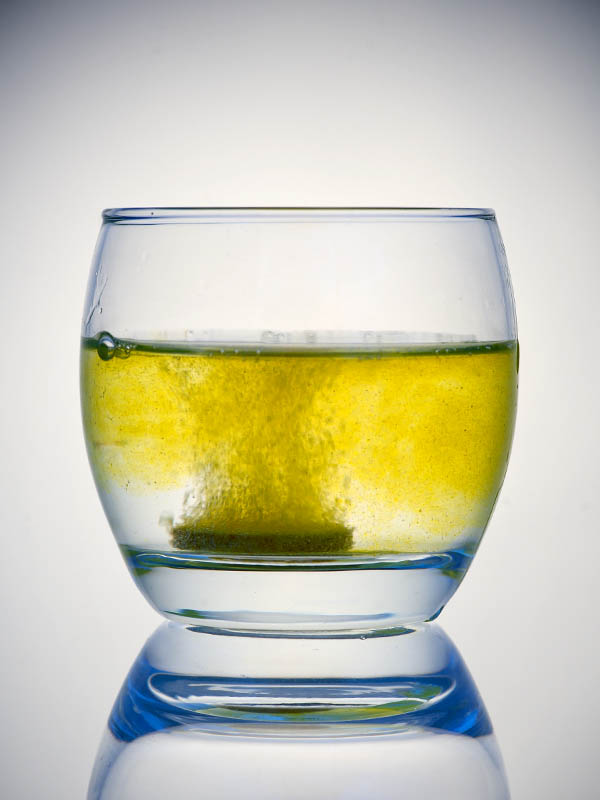
Given the extent to which Vitamin C is lost from food due to storage, cooking etc, a dietary supplement may be necessary to ensure that you get enough of the good stuff.
(© All Rights Reserved)

Vitamin C is also known as ascorbic acid, thanks to its anti-scurvy properties (a- = not; scorbus = scurvy). Besides fighting off scurvy, Vitamin C has many other benefits – it is a cofactor in numerous enzymatic reactions in the body, and it has important antioxidant properties. It also enhances iron absorption, and is a natural antihistamine. However, while it is found in high concentrations in immune cells, its flu-fighting power may be a myth. Despite extensive research, Vitamin C has not been proven effective in the prevention or treatment of colds and flu. It does not reduce the incidence or severity of the common cold, but there are some indications that it may help reduce the duration of illness.

Still, even though it may not ward away the sniffles, getting a decent daily dose will definitely do you more good than harm – there doesn’t appear to be many adverse effects from overdosing, since excessive amounts of Vitamin C is simply lost through nonabsorption or urination.

So, don’t hold back on the chilli peppers, guavas, leafy greens, broccoli, cauliflower, brussels sprouts, fresh herbs, kiwifruit, strawberries and, yes, good old oranges.

And while you’re feasting away, spare a thought for Charles Glen King, the unsung hero in the Vitamin C story.

A celebration of the mind with Martin Gardner

Today we celebrate the birthday of Martin Gardner. Gardner, born in 1914, was a science writer specialising in the field of recreational mathematics, but also covering topics like magic, literature, scientific scepticism, philosophy and religion.

His most famous contribution to the popularisation of science and mathematics was the ‘Mathematical Games’ column he wrote for Scientific American for 25 year, between 1956 and 1981. Many of these columns have been collected and published as a series of books starting with ‘Mathematical Puzzles and Diversions’, first published in 1956.

So popular was Gardner (who passed away recently in 2010) that, in honour of his life and work, his birth date of October 21 has come to be known as the ‘Celebration of the Mind’. The Gathering for Gardner Foundation aims to use this day to “celebrate Martin’s life and work, and continue his pursuit of a playful and fun approach to Mathematics, Science, Art, Magic, Puzzles and all of his other interests and writings.” They encourage people to get together on the day to share mathematical or logic puzzles, paradoxes, illusions and magic tricks, or just in general engage in activities that gets the logical side of your brain buzzing.

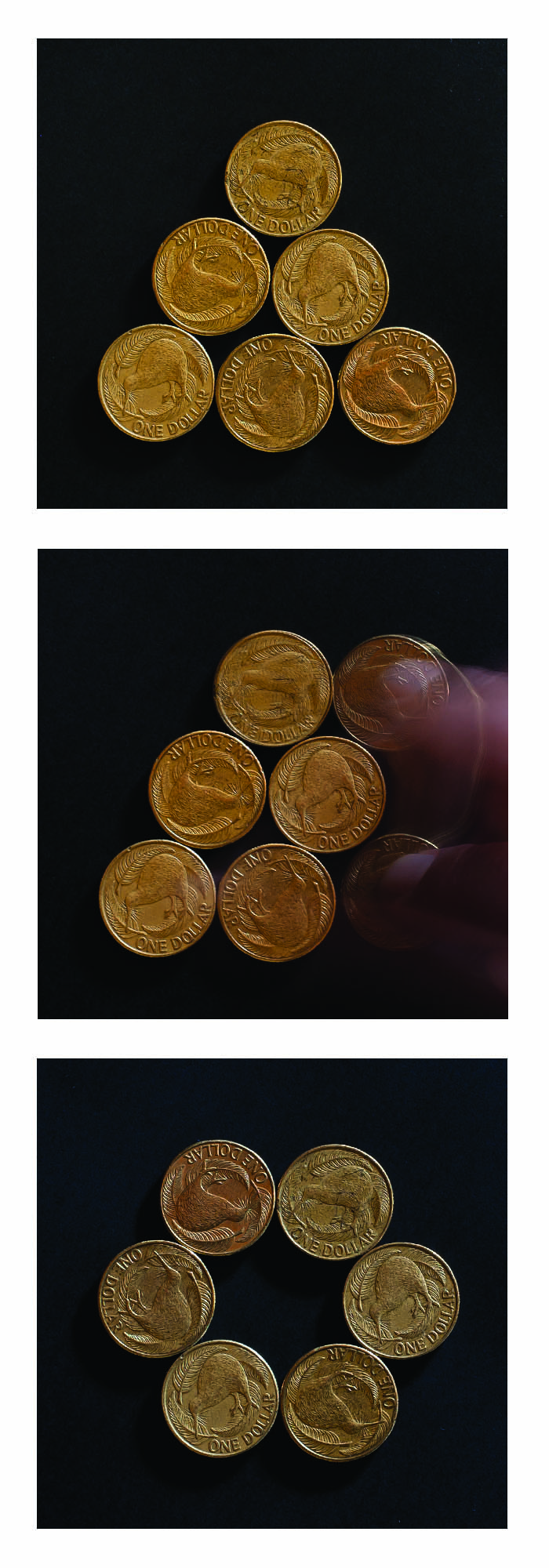
One of the classic Gardner puzzles. Rearrange a triangle made up of six coins into a hexagon, by moving one coin at a time, with each move leaving every coin touching at least two others, as seen in the pictures.
(© All Rights Reserved)

Examples of Gardner’s puzzles are readily available online. To immerse yourself in his world of puzzles, start with the classics on puzzles.com. There’s also an edition of the College Mathematics Journal dedicated to Martin Gardner available for free from the Mathematical Association of America.

As a teaser, here’s a few from the Gathering for Gardner website:

  • A woman either always answers truthfully, always answers falsely, or alternates true and false answers.  How, in two questions, each answered by yes or no, can you determine whether she is a truther, a liar, or an alternater?
  • You are in a room with no metal objects except for two iron rods. Only one of them is a magnet. How can you identify which one is a magnet?
  • Mr. Smith has two children.  At least one of them is a boy.  What is the probability that both children are boys?  Mr. Jones has two children.  The older child is a girl.  What is the probability that both children are girls?

Besides his interest in recreational mathematics, Gardner was an outspoken scientific sceptic with an uncompromising attitude towards pseudoscience. In his books he commented critically on a range of ‘fringe sciences’, from creationism to scientology to UFOs and the paranormal. This earned him many fans, but also many antagonists, particularly individuals operating in these fringe domains. While critical of conservative Christianity, Gardner considered himself a ‘fideistic deist’, believing in a god as creator, but critical of organized religion.

Gardner was also a leading authority on Lewis Carroll. He published ‘The Annotated Alice’, an annotated version of ‘Alice’s Adventures in Wonderland’ and ‘Through the Looking Glass’, where he discussed and explained the riddles, wordplay and literary references found in Carroll’s works. He also produced similar annotations of GK Chesterton’s works, ‘The Innocence Of Father Brown’ and ‘The Man Who Was Thursday’

Yet his most enduring contribution remains in the field of recreational mathematics and puzzles. It has famously been said that, through his writings on puzzles, tricks and paradoxes, he “turned thousands of children into mathematicians, and thousands of mathematicians into children”.

Information overload, social media and the Internet

Today is Information Overload Awareness Day, the day attention is focused on the crazy state of information overload existing in the world, thanks to ‘the Internet’ (a concept that is becoming more abstract and hazy by the day), social media, blogging, cloud computing, you name it.

And, by writing this blog entry about it, I am of course adding yet another drop to the ocean of information, contributing knowlingly to the ever rising levels of useful and useless information that is threatening to engulf every remaining bit of ‘dry land’ of the world.

It was estimated as long ago as 2008 that information overload is costing the US economy around $900 billion a year, through lowered employee productivity. When numbers get that big, I’m always unsure what they’re called – that’s almost $1 trillion, right? And that number is probably a lot higher by now. The average ‘knowledge worker’ (itself a term that didn’t really exist before the unbounded proliferation of data and information) is said to spend at least 50% of his day ‘managing information’ – sifting through emails, finding and validating ‘facts’, etc. And that is just the productive side of things – even more time is spent lost in the bottomless depths of facebook, twitter, youtube and the like.

If you can’t beat them, overload them…
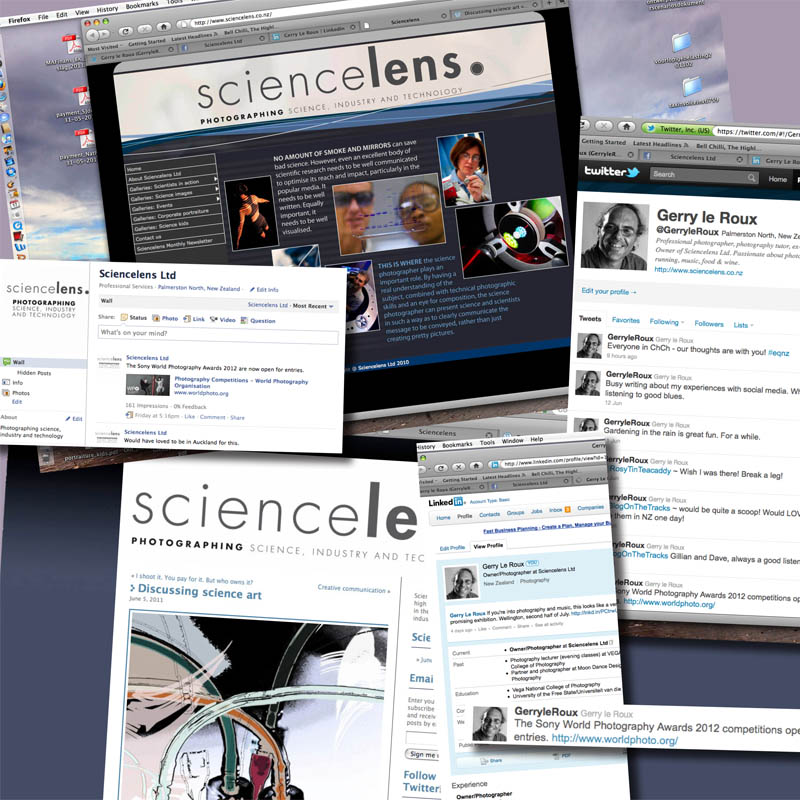
While we complain about information overload, we all contribute to the problem – me possibly more than many. But at the same time, social media can be an important and effective tool for marketing and communication. I guess it will always be a careful balancing act between too much and too little.
(© All Rights Reserved)

The sad thing, of course, is that among the dirt there are some real diamonds. There are blogs and opinion pieces, both online and in print, that I try to read on a regular basis, and that I really feel poorer for not having read for a few days due to some work deadline or other crisis. But finding these among the thousands upon thousands of blog posts generated daily can be a real challenge. Even just trying to keep up with WordPress’ daily Freshly Pressed list is an almost impossible task.

I’m sure no amount of awareness creation about the problem of information overload is going to change things – we have gotten too used to having pages upon pages of information on any and every topic we can possibly think of, at our fingertips. And in many ways it’s good. There’s no way I would have been able to do this blog if there wasn’t all kinds of arbitrary facts floating around to tap into. But at the same time, I guess the responsible thing to do is to at least try and limit the amount of data we push out on a daily basis. Which is one of the reasons I prefer blogging to twitter, for example – in compiling a blog post, I like to believe people at least invest a little thought. Tweeting is just too easy and immediate, resulting in the masses mindlessly excreting an ever-growing pile of data-dung (my personal view, of course).

On the topic of excrement – when did Facebook change from being a place where people actually sort-of talked to each other, to a platform where all people do all day are to share ‘cute’ photos and cartoons, and resend arbitrary ‘amusing’ status updates? Facebook used to be a platform I found quite useful to keep in touch with friends and family when we moved to another country, but over the last couple of years the signal to noise ratio has fallen so low that it is hardly worth facebooking anymore.

Oh well…  There I go – one rant about information overload, and I’ve contributed a few hundred more words to the problem.  I think for the rest of this Information Overload Awareness Day I should just switch off all computers, smartphones, TVs and radios, and go mow the lawn or something.