Page 5 of 7

‘Get the girls out’ on Mammography Day

Today, in the USA, is National Mammography Day. While it is primarily a US-based observance, I thought it apt to dedicate this day’s post to the subject, seeing that October is Breast Cancer Awareness month or Breast Cancer Action month in many parts of the world.

Breast cancer is one of the leading causes of death among women, with current estimates in the US being that about 12 percent of American women will develop breast cancer at some point during their lives. To address this, steps for early detection is recommended, with one of the most important being an annual mammogram and clinical breast exam for women aged 40 and above.

Mammograms are very low dose breast tissue x-rays, used to pick up breast changes, and breast cancers in particular. Mammograms are critical because they can detect breast changes (lumps/thickenings) which are so small they cannot be felt. As a result, they increase chances of survival through early detection of possible cancer.

Additional tools and techniques that can be used as complimentary to mammography include ultrasound and MRI scanning.

It’s October, so to use the message of New Zealand’s amusing ‘BreastScreen Aotearoa’ campaign, “it’s time to get the girls out” and go for a screening check-up.
(© All Rights Reserved)

Being a male, I can obviously not comment on the discomfort involved in receiving a mammogram, but my wife assures me that its not nearly as painful or uncomfortable as people make it out to be. The statistics agree – in general less than 5% of women experience a mammogram as painful. However, as with most things in life, bad experiences tend to receive most ‘air time’, hence creating the impression that many more women have bad experiences with mammography than is actually the case.

Despite any discomfort, there is no argument that it is a procedure worth doing – mammograms have a success rate of between 80 and 90%, and this rate gets higher in older women with less dense breast tissue. Thus detection accuracy increase with age, which is great, as the chance of getting breast cancer shows a similar age-related increase.

In closing, a word of advice from the New Zealand Breast Cancer Foundation:
“The best way to ensure early detection of breast cancer is to supplement screening mammograms with general breast awareness – know your breasts/know the changes to look and feel for – and see your family doctor without delay, if you notice any changes that are not normal for you.”
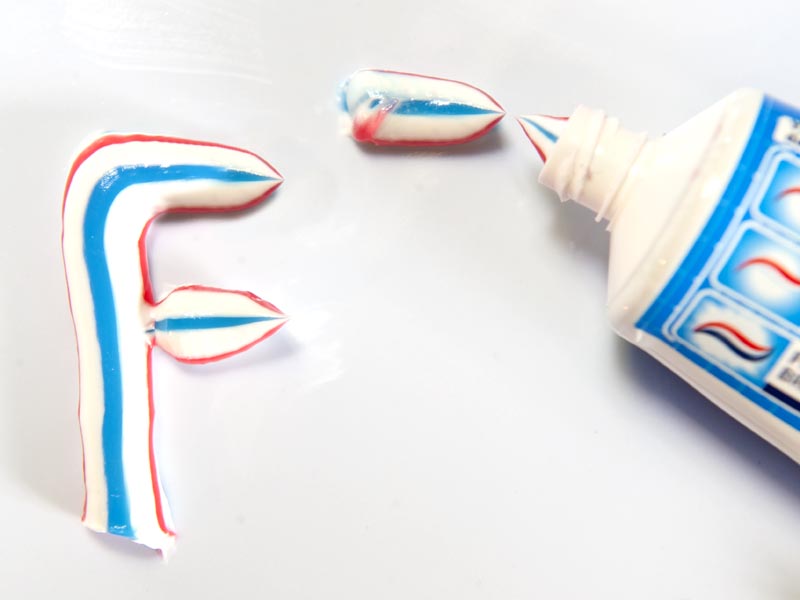
Harry Day and the great fluoride debate

Today we celebrate the birthday of one Harry Gilbert Day.

Harry Day, a nutritional biochemist, helped develop the fluoride additive used in toothpaste to combat tooth decay. The research by Day and his colleagues at Indiana University in the US was funded by Proctor and Gamble (P&G). Stannous fluoride was approved as a tooth paste additive by the US Food and Drug Administration in 1955, and introduced to the public for the first time in a commercial toothpaste by P&G in 1956.

Since its first introduction, fluoride in toothpaste has been the subject of heated debate. The pro-fluoride lobby holds that fluoride is important to prevent tooth decay and, while it can be acutely toxic if swallowed in large amounts, even ‘full strength/adult’ brands of toothpaste contain low enough levels of fluoride to not pose any health risks. Anti-fluoride campaigners, on the other hand, point to a range of scary issues related to the additive. Dementia in humans, due to exposure to fluoride, is said to double in the next two decades, and triple in three. Excess fluoride is also claimed to cause teeth to discolour and crumble, to have detrimental effects on the musculoskeletal and nervous systems, and according to some studies, even lead to bone cancer.

Fluoridation of toothpaste – definitely not a black and white issue.
(© All Rights Reserved)

One of the main arguments against fluoride as a toothpaste additive is that it is already included as an additive in much of the world’s drinking water and in mineral and vitamin supplements, and that the combined levels we are exposed to exceed what is safe.

As a result of the debate, more and more non-fluoride toothpastes are being introduced to the market, allowing both sides of the argument access to their preferred option.

As Shakespeare might have said if he was around today: “To fluoridate or not to fluoridate, that is the question.” What is your view on the subject?

World Smile Day: Do an act of kindness. Help one person smile!

Today, being the first Friday of October, is World Smile Day. The idea for the day comes from Harvey Ball, artist from Worcester Massachusetts USA, and the guy whose claim to fame is the creation of the iconic Smiley Face in 1963.

(Pumbaa, Wikimedia Commons)

As the smiley face gained popularity, Ball felt it lost its original meaning. This resulted to the creation of World Smile Day – the smiley face shows no discrimination in terms of politics, geography or religion, and Ball felt that, for at least one day a year, we should put aside our prejudices as well. World Smile Day asks of you to “Do an act of kindness. Help one person smile!”

When Ball died in 2001, the Harvey Ball World Smile Foundation was created in his honour. The foundation, whose slogan is “Improving this world, one smile at a time”, remains the official sponsor of World Smile Day activities in Ball’s hometown.

On the subject of smiling – earlier in the year, on SCUD Day, I wrote a blog post about the psychological benefits of smiling, and how even just pulling your face into a smile can ‘fool’ you into feeling better.  It seems, however, that the benefits of smiling does not stop there.

Conclusive proof of the contagious nature of a smile – it’s impossible to not smile while looking at these happy faces!
(© All Rights Reserved)

I found an excellent article on the Forbes website, where Ron Gutman, founder and CEO of HealthTap, discusses many of the scientifically researched benefits of smiling. Here’s some of the results I found particularly interesting:

A 30-year longitudinal study done at the University of California Berkeley measured smiles of students in old yearbooks, and used this to predict future happiness – how happy their marriages would be, how well they would score on standardized well-being and happiness tests, and how they would inspire others. It turns out, perhaps not surprisingly, that the widest smilers in college turned out to be the happiest people in life.

A similar study at Wayne State University looked at baseball card photos of Major League players from 1952, and found that the span of their smiles served as a fairly accurate prediction of life-expectancy! The non-smilers lived to an average age of almost 73, while the smilers on average made it to almost 80.

Smiling is one of the most basic, and most universal, human expressions. In cultural studies on Papua New Guinea’s Fore Tribe, who had no contact with western culture and is known for their cannibalism, it was found that even in that very remote culture smiles were used very similar to how we use it.

Studies done in Sweden show that other people’s smiles suppress the control we usually have over our own facial muscles, causing us to smile involuntarily. Apparently it is also very difficult to frown when looking at someone smiling.

And here’s the clincher – according to a UK research study, it was found that a smile could generate an equivalent amount of ‘feel good activity’ in the brain as 2000 chocolate bars!

Have a look at Gutman’s article – it’s a most amusing read.

Have a brilliant World Smile Day, everybody. I think the wise Mother Teresa said it best: “Everytime you smile at someone, it is an action of love, a gift to that person, a beautiful thing.”

World Pet Day, and the pros and cons of owning a pet

It is World Pet Day today. Actually, according to some sources it is World Animal Day, which is a significantly wider concept, but for the sake of this post let’s stick to pets.

The decision to get a pet can be quite a significant one. For many it’s a no-brainer, they couldn’t fathom the idea of not having a pet in the house. But at the same time it is a huge responsibility – more so than many people unfortunately realise.  Personally, being a freelance photographer who is regularly away from home on assignments across New Zealand, a pet would complicate things – I need to maintain a lock-up-and-go lifestyle. And having to check your pet into a kennels or cattery each time is a traumatic experience of both pet and owner.

Pets can have various health benefits, not least of all the fact that they make you get out and exercise more.
(© All Rights Reserved)

There’s a lot to be said for getting a pet. According to an article in the Los Angeles Times, for example, Dr Froma Walsh of the Center for Family Health at the University of Chicago says that “having a pet can meet many human psychosocial needs and has been undervalued in the field of mental health.” Pets reduce stress through the companionship and unconditional love they give their owners. According to Dr Walsh, heart attack survivors who have pets are likely to live longer. Relationships with pets help people through hard times and “provide connectedness in an era when family connections are fragmented.”

There’s a plethora of articles claiming health benefits from pet ownership – these range from decreased risk of heart attack and lower blood pressure, to positive psychological benefits.  I am sure most pet lovers will agree that their pets are beneficial to their health and well-being.

Interestingly enough, however, a recent article from the New York Times suggest that the health benefits of pet ownership may have been overstated. For the elderly, in particular, a cat or a dog can be a potential risk – Judy Stevens of the Centers of Disease Control and Prevention is quoted as saying “Over 86,000 people per year have to go to the emergency room because of falls involving their dogs and cats, and these fractures can be devastating for the elderly.” Harold Herzog, Professor of Psychology at Western Carolina University, furthermore refers to studies that show the more attached elderly people are to their pets, the more depressed they are, that people with strong social networks are not made happier by their pets, and that adolescents with pets reported more psychological problems than those without.

The one area where there does not appear to be an argument is that pet owners, or dog owners to be exact, tend to be more active – according to a Canadian study dog owners walked almost twice as much per week as their dog-free counterparts. And that is definitely a good thing.

Personally I don’t think it is possible to make blanket statements about the benefits (or not) of pets – it probably comes down to personal preference, with the level of benefit derived from a pet being different for different personality types. I do, however, strongly believe that if you do get a pet, you make a multi-year commitment that you need to be sure you can honour – the pet depends on you for love and care and there are way too many abused and abandoned pets already.

So for all the pet owners out there – happy Pet Day, and look after them well. And for the rest of you – go out and get some exercise! 🙂

Savouring your favourite brew on International Coffee Day

Today is International Coffee Day. So after yesterday’s post on Arthur Guinness’ stout, this is my second post in a row discussing a dark brew loved the world over. And in a way the similarities between a pint of Guinness and a cup of coffee doesn’t end there – both contain antioxidants that are good for you. Yet like the alcohol in beer, the caffeine in coffee is addictive, and taken in excess is decidedly not good for you.

This, however, is not going to be a sober analysis of the medical risks and benefits of coffee and caffeine. I’ll admit it – I’m a bit of a coffee-holic. There are few things I like more than a well-made Americano in a quaint coffee shop rich with the smell of of freshly ground coffee, on a bustling city street corner. And if that coffee comes with a slice of lemon meringue (the perfect compliment to a good cuppa, if you ask me), even better.

So I am a tad biased. (And honestly, in moderation coffee can be good for you!)

Black or white, selecting your preferred style of coffee is a very personal choice.
(© All Rights Reserved)

International Coffee Day is the day coffee lovers can celebrate their shared love of their favourite brew. Americano, cafe au lait, espresso, caffe latte, capuccino, affogato, cafe mocha… the list of formats you can choose to enjoy a cup of coffee is long, decadent and rather daunting. And if that’s not enough, there’s regional names, like our New Zealand ‘long blacks’ and ‘flat whites’. Enough to make your head spin, even before your caffeine fix! But most coffee lovers will quickly settle on their personal favourite, depending on their preference of strength of the brew, inclusion (or not) of milk/foam/cream, etc. And don’t try to come between the coffee lover and his brew of choice!

Beyond celebrating coffee, today is also an opportunity to promote ‘Fair Trade certified’ coffee, purchased from growers who ensure decent conditions for their workers. It is a chance to raise awareness for the plight of those who work in poorer countries and environments where there may be few, if any, restrictions on labour conditions, and where the opportunities for exploitation is rife. When choosing your brew, make sure it’s Fair Trade certified.

In a positive worldwide trend, the popularity of Fair Trade coffee has increased consistently over the last decade, with the percentage of coffee sourced from Fair Trade producers increasing annually.

Kick-start your day with a Fair Trade certified cuppa at breakfast.
(© All Rights Reserved)

While choosing Fair Trade coffee rightly makes you feel better about your cuppa, there has been criticism about the ethics of it all, with cynics claiming Fair Trade certification to be little more than a marketing ploy to increase the price of the product, with only a small margin of this filtering through to the growers.

While this may sadly be true, my personal opinion is that opting to buy Fair Trade remains pretty much the only option to consumers wanting to buy from a non-exploitative source – surely that must be better than not supporting fair trade principles at all?

Black or white, sweet or bitter, whatever you prefer, join me in celebrating Coffee Day – here’s hoping you find a memorable brew today. And that a decent portion of the money you spend on it reaches the source!

Arthur Guinness’ brew is good for you!

Yep, it’s a big day down the pub today – we celebrate the birthday of Irishman Arthur Guinness, entrepreneur, philanthropist, and most importantly, founder of the Guinness brewery.

Arthur Guinness’ exact date and place of birth is not known, with some indications being that he was born in late 1724 or early 1725, while others point to a date later in 1725.  In the early 1990’s the Guinness company decided to put an end to the speculations, and proclaimed its founder’s ‘official’ date of birth to be 28 September 1725. This date, affectionately known as ‘Arthur’s Day’, has been enthusiastically celebrated by fans of his dark brew ever since.

Arthur Guinness’ legacy lives on in Guinness, one of the world’s most successful and well known beer brands, brewed in almost 60 countries and available in more than 100. Guinness and Co merged with Grand Metropolitan plc in 1997, and has since become part of the multinational alcohol conglomerate Diageo.

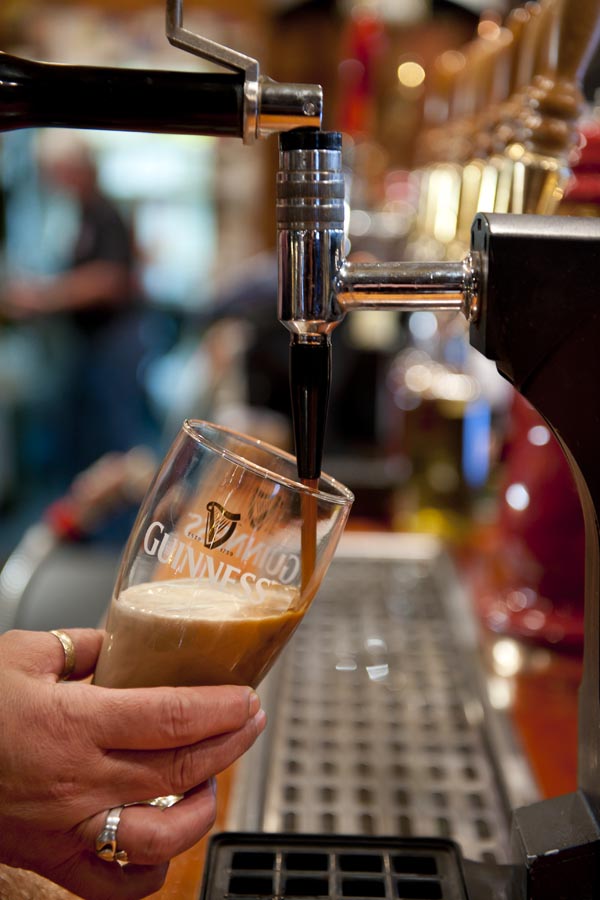
According to Diageo, the perfect pint of Draught Guinness is poured by means of a ‘double pour’ method, which should take exactly 119.53 seconds. When poured, the draught passes through a 5-hole restrictor plate which increases the pressure and creates small bubbles in the beer, resulting in the classic creamy head. This first pour is allowed to settle, whereafter the glass is filled with a second ‘slow pour’ until the head creates a slight dome at the top of the glass.
(© All Rights Reserved)

Guinness’ marketing has always been one of its strong suits, and this is a significant contributing factor to the continued popularity of the brand. The classic Guinness advertising series was created in the 1930s and 1940s, mostly illustrated by the artist John Gilroy. The advertising posters included classic phrases still seen in Irish pubs all over the world, such as “My Goodness, my Guinness”, “Lovely Day for a Guinness”, and most famously “Guinness is Good for You”.

The “Guinness is Good for You” slogan actually dates back to the 1920s, and stemmed from a market research campaign where people told the company that they felt good after a pint of Guinness. Beyond the feel-good factor, the stout was also considered to have some medicinal benefits – it was given to post-operative patients and blood donors, based on the belief that it was high in iron. It was also popular with pregnant women and nursing mothers.

The question “Why do Guinness’ bubbles travel downwards?” has been the subject of many a conversation down the pub. It is actually only the bubbles along the outer edge that moves down, as a result of drag – bubbles in the centre of the glass can travel upwards unhindered, while those along the edge are slowed down by the glass. As the beer in the centre rises, the liquid near the edge has to fall, and the resulting downward flow pushes some tiny bubbles downwards. Try explaining that after a few pints!
(© All Rights Reserved)

What’s interesting is that research more than half a decade later indicates that perhaps the ‘good for you’ claim wasn’t so far off the mark, albeit for different reasons. As reported by BBC News in 2003, “A pint of the dark stuff a day may work as well as a low dose of aspirin to prevent heart clots that raise the risk of heart disease.”

Researchers from the University of Wisconsin tested the stout by administering it to dogs who had narrowed arteries similar to those in people with heart disease. They found that the dogs fed different daily doses of Guinness had reduced clotting activities in their blood, while a control group of dogs given a lager beer did not show similar improvements. The research team furthermore claim that the greatest benefit was achieved when test subjects received about a pint each day at mealtime. Their conclusion was “that ‘antioxidant compounds’ in the Guinness, similar to those found in certain fruits and vegetables, are responsible for the health benefits because they slow down the deposit of harmful cholesterol on the artery walls.”

In response to these claims, Guinness’ owners Diageo simply said “We never make any medical claims for our drinks.” Despite this, I am sure millions of Guinness fans the world over will be more than happy to call on the ‘irrefutable scientific research’ above to justify their daily mealtime pint.

So here’s to Arthur and his famous brew – cheers, everybody!

Celebrating the International Day for the Preservation of the Ozone Layer

Today, 16 September, is a critically important day for this little planet of ours – it’s World Ozone Day, or to be more precise, the International Day for the Preservation of the Ozone Layer.

The day was officially proclaimed as one of the United Nations’ International Observances in 1994, falling under the United Nations Environment Programme, UNEP. The date was specifically selected to commemorate the signing of the Montreal Protocol on Substances that Deplete the Ozone Layer on 16 September 1987, marking this year as the 25th anniversary of the Montreal Protocol.

So why is the preservation of the ozone so important? I’m sure it’s a lot more complicated than my basic understanding of the subject, but in essence the ozone in the stratosphere plays a critical role in absorbing much of the sun’s harmful ultraviolet radiation. Furthermore ozone in the lower atmosphere also plays a role in removing pollutants from the air.

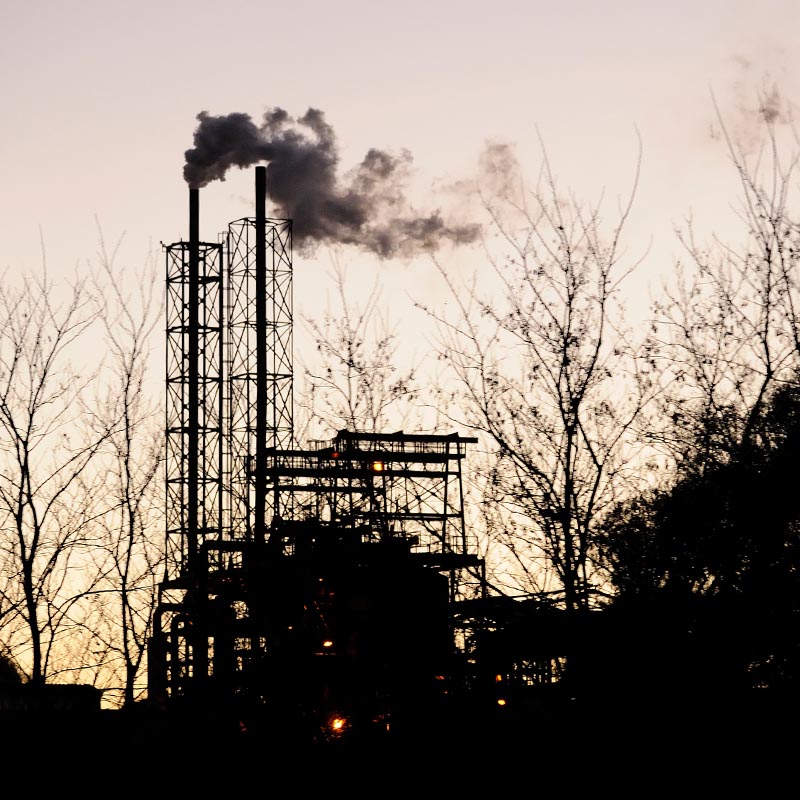
Not a pretty picture.
(© All Rights Reserved)

Now as we humans are prone to do, many of our actions are not all that considerate of the health of the earth, and can be very detrimental to the ozone layer. The Montreal Protocol aimed to identify and address substances and actions that contribute to the depletion of the ozone in the atmosphere, and is one of the great examples of international cooperation towards a global good. As an outcome of the Protocol, the phasing out of the use of ozone depleting substances is helping protect the ozone layer for generations to come. The international awareness created through the Montreal Protocol has also contributed to a greater appreciation and awareness of the effects of climate change on the earth.

To help create continued awareness, UNEP’s OzonAction Programme has developed a Public Service Announcement (PSA) video, in 6 UN languages, for global broadcasting and viral distribution.  The English announcement is embedded below, while links to the Arabic, Chinese, French, Russian and Spanish announcements can be found here.


For more information, the UN website provides some very interesting general background on ozone preservation, as well as information of some ozone depleting substances in different industry sectors.

Protecting our atmosphere (and environment) for generations to come.
(© All Rights Reserved)

In celebration of World Ozone Day, take a minute today to appreciate the ozone layer and how it contributes to the world and the environment as we know it. Not only does it protect us humans from life threatening cancer-causing UVB radiation, but it is also critical for plant health, marine ecosystems and terrestrial and aquatic biogeochemical cycles.

The theme of this year’s event is “Protecting our atmosphere for generations to come” – surely a cause well worth supporting and celebrating.

Conquering mountains with a little help from Viagra

Today we celebrate the birthday of Ferid Murad, born on this day in 1936.

So why is the birth of this American-Albanian physician noteworthy? Well, he is the co-winner of the 1998 Nobel Prize in Physiology or Medicine, together with Robert Furchgott and Louis Ignarro. Their award-winning research involved studying the effect of nitroglycerin and related nitric oxide-releasing drugs on the body. The release of nitric oxide in the body acts as a signalling molecule in the cardiovascular system, which causes blood vessels to dilate.

While the above fact may not necessarily cause Joe Average to sit up and take note, what is interesting is that the research of Murad et al was instrumental in the development of the drug Sildenafil citrate, used to treat, among other things, erectile disfunction and pulmonary arterial hypertension.

Yep, Dr Ferid Murad’s research was critical in the development of Viagra.

Now even though the mention of Viagra almost involuntarily calls to mind the sexual application of the drug, this is a family friendly blog, and so I thought it might be prudent to discuss a different, and rather interesting, application of Sildenafil citrate. it has been reported, fairly recently, that Sildenafil can be successfully used in the treatment and prevention of high-altitude pulmonary edema (HAPE), a condition associated with altitude sickness typically suffered by mountaineers.

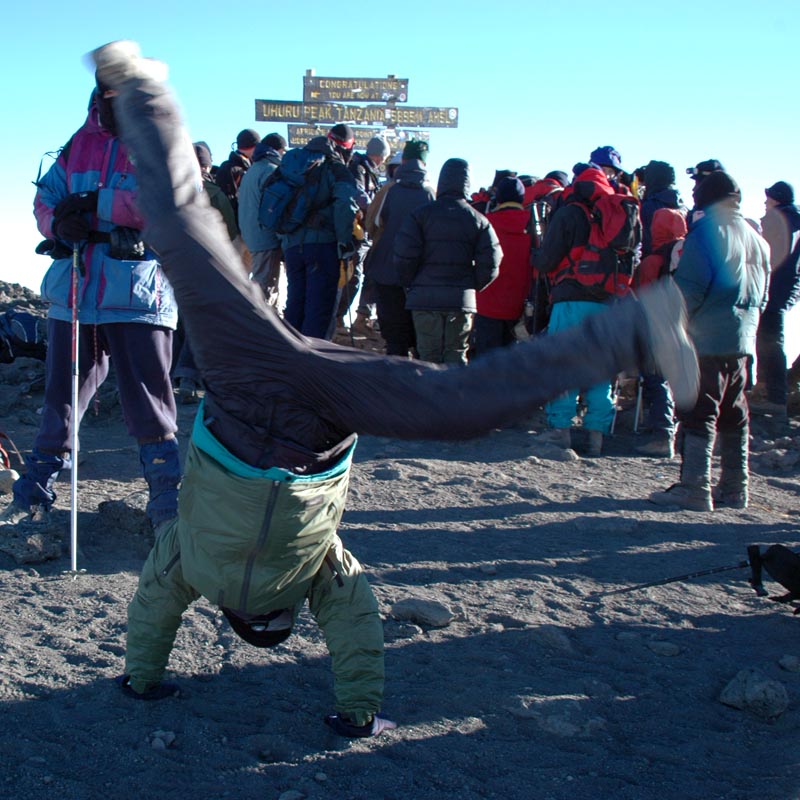
Uhuru Peak, Mount Kilimanjaro, Tanzania. 5895 metres above sea level. Guess who took Viagra!?
(© All Rights Reserved)

Anyone who has ever climbed a mountain of significant height, will be well aware of the dangers of HAPE and altitude sickness. HAPE involves the accumulation of fluid in the lungs, a condition that can occur in otherwise healthy mountaineers, typically at altitudes above 2500 metres. The scary thing is that there is almost no preventative actions that can be taken to avoid altitude sickness striking – it can strike the healthiest, fittest member of a mountaineering team, and mountaineers can scale the same heights countless times without problems, only to become victim to altitude sickness the next time they climb.

As such, having a treatment such as Sildenafil handy as part of your mountaineering first aid kit can be extremely valuable, and even life-saving, if for some reason the normal treatment of HAPE (rapid descent) is not possible.

Scaling high mountains can be a potentially safer experience with Sildenafil citrate on hand to fight altitude sickness.
(© All Rights Reserved)

So, Viagra can help you scale mountains.  Which I guess makes the fact that tall mountain peaks also happen to have something of a crude Freudian symbolism to them, very apt.

My, who’d have thought?

Salami – good when it’s meat, less so when it’s science

Today is a celebration of that greatest of cured meats – it’s Salami Day.

Salami is a cured, fermented and air-dried sausage-style meat, usually made from pork and/or beef, but also sometimes from a range of other meats including venison and turkey (and even, apparently, shark and swordfish in Japan). The meat is minced together with a range of spices, garlic, minced fat, herbs and wine or vinegar, and left to ferment for a day or so before being stuffed into a (usually edible) casing and hung out to cure. The casing is sometimes treated with an edible mold culture which adds flavour and helps protect the salami from spoilage.

It first became popular with South European peasants, thanks to the fact that it doesn’t require refrigeration, and can last at room temperature for a month or longer. (It is this feature that also makes it one of my personal favourite foods to take on multi-day hikes – few things beat a couple of slices of salami on some cracker-bread over lunch, somewhere out in the middle of nowhere.)

A traditional aged, peppered Hungarian salami – finger-licking good.
(© All Rights Reserved)

Of course, in science, salami has a very different connotation. The phrase ‘salami science’ refers to a scientific publishing tactic where the same body of research is published in more than one journal, or, more commonly, the results from a single research project is sliced up into multiple smaller research results (spread over time, for example) and published separately. This second option is also referred to as ‘salami slicing’ because you are effectively slicing your single research salami into a whole bunch of smaller slices, spread across different publications.

This is an unfortunate practice because it can skew research data, and it makes it more difficult to get the ‘big picture’ with regards to a specific body of research. It is, however, the result of the way the value or worth of a scientist is measured in the scientific community – the more you publish, the better you are rated, and the more funding you can attract. This ‘publish or perish’ phenomenon is well-known in science, where the size of an individual or group’s scientific output is overemphasized, rewarding quantity over quality.

Nature magazine has gone so far as to say that salami science “threatens the sustainability of scientific publishing as we know it”. Fighting this practice means more time and effort have to be spent by journals and publications to ensure that the same results have not been published elsewhere, thus increasing the workload on already stretched staff and peer reviewers.

Of course quantity is not the only criterion used to judge or measure a scientist’s research output – references and citations also play an important role. However, formulae for quantifying research output is often oversimplified and skewed towards quantity. To again quote Nature magazine, “The challenge then is not only to establish more sophisticated means to assess the worth of a researcher’s scientific contribution, but for bodies making such assessments to make it plain that it is scientific rigour and not merely numerical output that will lead to success”.

It definitely seems slicing your salami thin is better when you’re talking meat than when you’re talking science. In fact, referring to the meaty version, it’s probably a very good idea to slice it thin – when it comes to processed meat (including salami), moderation is definitely a good thing. In a report in the Guardian, the World Cancer Research Fund (WCRF) has warned that excessive intake of processed meat can increase your risk of developing cancer.

According to the WCRF, “If everyone ate no more than 70g of processed meat – the equivalent of three rashers of bacon – a week, about 3,700 fewer people a year in Britain would be diagnosed with bowel cancer”.

So, in celebration of Salami Day, get yourself a good quality salami (paying a bit more really is worth it when it comes to enjoying a good salami) and enjoy a taste of meat-heaven.

Just don’t overdo it.

And don’t cheat with your research. 🙂

It’s ‘More Herbs, Less Salt’ Day – time to give your heart a breather

Today, according to those in the know, is ‘More Herbs, Less Salt’ Day. Another of those days that has been thought up to try and nudge us towards a slightly healthier lifestyle (much like ‘Independence from Meat’ Day, that I blogged about earlier).

Indeed, leaning towards herbs, rather than heaps of salt, to season your food is not a bad idea at all. I’m sure anyone who has opened a general lifestyle magazine in the last 10 years will know that salt isn’t all that great for our overly stressed 21st century bodies – our poor hearts already have enough to deal with. Giving the heart a further knock by subjecting it to a high salt diet really isn’t a winning idea.

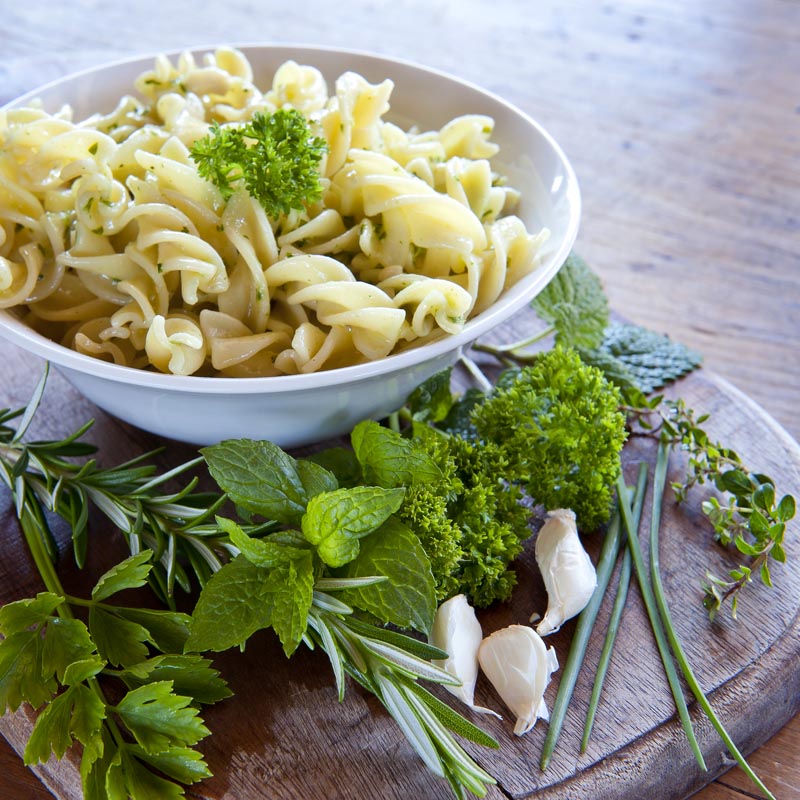
Using more herbs and less salt not only makes your food healthier, but tastier and prettier too.
(© All Rights Reserved)

There’s a significant body of research linking high sodium diets to high blood pressure, which in turn is linked to heart attacks, strokes, kidney disease and other nasties. Proving that a decrease in salt actually reduces the risk of heart disease has been more difficult, but a long-term research project conducted a few years ago, aimed to do exactly that. In an article entitled “Long term effects of dietary sodium reduction on cardiovascular disease outcomes: observational follow-up of the trials of hypertension prevention (TOHP)”, the research team from Harvard Medical School presents their results from a long-term follow-up assessment related to a sodium-reduction, hypertension prevention study done 15 years earlier. In the original intervention, a group of adults followed a sodium reduced diet for between 18 and 48 months. From the long-term follow-up research it was found that, compared to the general population, “Risk of a cardiovascular event was 25% lower among those in the intervention group (relative risk 0.75, 95% confidence interval 0.57 to 0.99, P=0.04), adjusted for trial, clinic, age, race, and sex, and 30% lower after further adjustment for baseline sodium excretion and weight (0.70, 0.53 to 0.94), with similar results in each trial.”

This led them to the conclusion that “Sodium reduction, previously shown to lower blood pressure, may also reduce long term risk of cardiovascular events.”

To really put you off a high salt diet, a visit to World Action on Salt and Health, a website dedicated to “improve the health of populations throughout the world by achieving a gradual reduction in salt intake”, should do the trick. Just note, however, that this day (and most scientific research) calls for ‘less salt’, not ‘no salt’. As one of the primary electrolytes in the body, salt is essential for the body to function – just not at the levels that we’re consuming it.

Herbs on the other hand don’t just taste good – they’re like a veritable medicine cabinet in your garden (or pantry, if you don’t grow your own). Besides often being rich in vitamins and trace elements the body needs, specific herbs have long been known for their medicinal effects.

Herbs like chamomile and lavender is known to have a calming effect, parsley, oregano and echinacea can boost the immune system, garlic contains selenium, which can help reduce blood pressure (now there’s a good one to fight the effects of a high sodium diet!), mint and feverfew have been reported to reduce headaches, basil and bergemot fights colds and flu, lemon balm and rosemary is good for concentration and memory… The list goes on.

Of course, as with everything in life, the key is moderation – ‘more herbs’ should not be seen as a license to go overboard on every herb you can lay your hands on. Reckless and injudicious use of herbal supplements can be very detrimental to your health, to say the least. Colodaro State University hosts a nice site, Herbals for Health?, which is worth a read – it gives a balanced overview of the pro’s and cons of a few popular herbal supplements.

Despite the cautionary notes above, culinary herbs, especially freshly home-grown, generally speaking should not cause health risks when used in moderation as an alternative to salt in daily cooking, and that, after all, is what this day is all about. Using herbs in cooking can be a very exciting way to improve your health and well-being, so have fun experimenting with all those new tastes and flavours!