Page 38 of 41

Do the write thing – celebrate Ball-point Pen Day!

Back in 1943, on 10 June, a patent was filed by the Hungarian Biro brothers, Laszlo and George, for a new type of writing instrument – the ball-point pen.  The Biro’s weren’t the first to come up with the idea of a pen using a roller-ball mechanism to distribute ink in a controlled manner (the first patent for a similar instrument was issued in 1888 already, and the Biro’s also filed an earlier patent in 1939), but their 1943 design was the one that proved commercially viable.  Once they’d refined their design, they started marketing the pens in Argentina.

The new ball-point pens quickly caught the attention of the British Royal Air Force – they were sturdier than traditional fountain pens, and they also worked at higher altitudes.  Proving their toughness with the Royal Air Force, Biro pens became widely used by the military during World War II.

Its Ball-point Pen Day – the day to Do the Write Thing
(© All Rights Reserved)

Bic bought out the Biro brothers’ patent in 1950, and has since sold in excess of 100 billion ball-point pens.  The Bic ball-point pen has become so ubiquitous that the term ‘bic pen’ has come to be used as the catch-all term when referring to disposable ball-point pens in general.

Some of the more interesting recent achievements in the continued development of the ball-point pen include the rollerball pen, which combine the basic ball-point design with the use of liquid ink similar to fountain pens, and so-called space pens, which combine highly viscous ball-point pen ink with a gas-pressured piston mechanism forcing the ink toward the point. This allows the pen to write upside down or in zero gravity environments.

It’s hard to imagine life without the trusty old ball-point. With disposable pens having become a popular branding/marketing hand-out, I haven’t had to buy a pen in over 10 years and there always seems to be one handy wherever I am in the house… or car… or office… 🙂

Happy Birthday to Donald, the Mathmagical Duck

On this day back in 1934, the world was introduced for the first time to Donald Fauntleroy Duck, when he made his first appearance in the cartoon “The Wise Little Hen”.  The excitable, short-tempered but lovable duck went on to become one of the world’s favourite cartoon characters, and the de facto mascot for The Walt Disney Company.

So what does this have to do with science, you may ask?  Well, Donald Duck often appeared in cartoons touching on traditionally non-cartoony subjects like politics, religion and, yes, science and mathematics.

Donald Duck is no stranger to the magical world of mathematics
(© All Rights Reserved)

In the 1959 cartoon “Donald in Mathmagic Land“, Donald accidentally stumbles into a magical land of mathematics – a land where trees have square roots, streams are filled with numbers, and a geometric bird recites the digits of Pi.

In the cartoon, Donald is shown that mathematics is not just for eggheads (his original opinion) and that it’s actually useful and even exciting.  He meets, and plays some music with, Pythagoras and his secret band of Pythagorians, where he discovers that mathematics form the basis of musical scales.  From Pythagoras he also receives a pentagram, through which he goes on to learn about the golden section and the golden rectangle, and how these appear in architecture (the Parthenon, etc) and art, such as the Mona Lisa.

Donald discovers that the golden section also shows itself in the human body and in nature, in flowers, plants and shells.  He learns that mathematics even applies to sports and games, such as chess, baseball, basketball and billiards.

A cool bit of intertextuality in the cartoon comes through the inclusion of some themes from “Through the Looking Glass” by Lewis Carroll, who was himself also a mathematician.

In this cartoon Donald Duck, and with him millions of children, are introduced to the wonders of mathematics in a fun and humorous way, and the cartoon closes with the wonderful Galileo quote:
“Mathematics is the alphabet with which God has written the universe”.

Here’s to you, Donald – Happy Birthday, you grumpy old duck!

World Oceans Day

It’s World Oceans Day, our annual opportunity to honor the great oceans linking us all, to celebrate what the ocean provides humanity, and also to appreciate its intrinsic value.

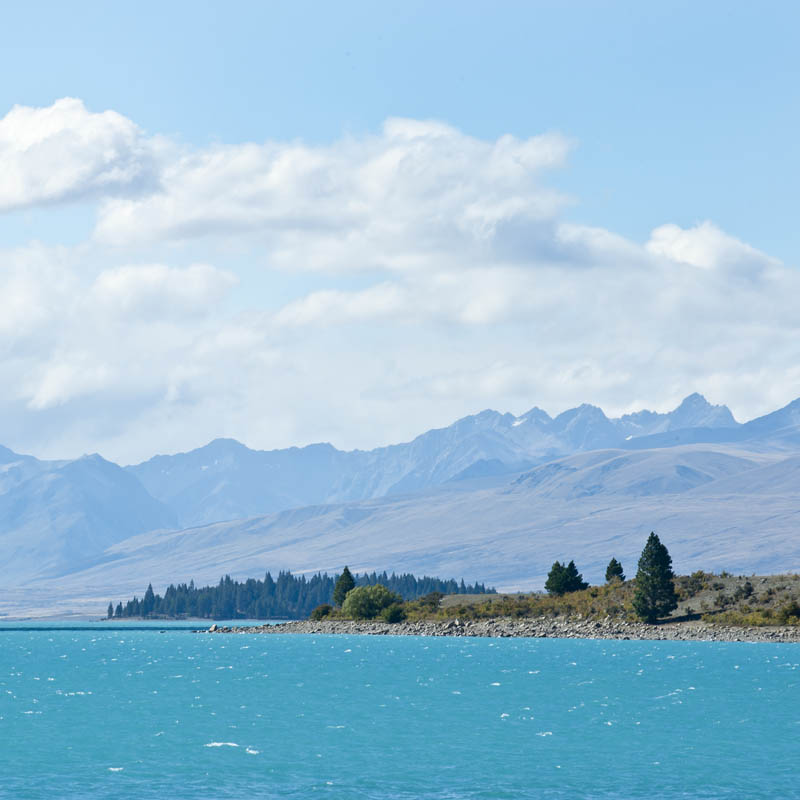
World Ocean Day is a day for celebration, but also a day to start spreading the word on the importance of protecting the ocean for future generations
(© All Rights Reserved)

The theme for World Oceans Day 2012 is Youth: the Next Wave for Change, which firstly acknowledges the role the youth plays in the future of the ocean, and secondly reiterates the importance of everyone playing their part in securing the future of the world’s oceans for our youth.

One of the initiatives undertaken as part of this day is “Wear Blue, Tell Two“, an information sharing initiative where everyone is urged to dress in blue and to share with those around us two facts about the protection of the world’s oceans.

So, to do my bit (yes, I’m wearing blue jeans and a blue sweater, I promise!) herewith my two messages about our oceans:

1) The havoc caused by climate change
The ocean absorbs the majority of the heat added to the earth through climate change, resulting in a warmer ocean, which negatively impacts on the coral ecosystem and affects the life cycles of many fish species. This warmer water also decreases upwelling, which means that less nutrients reach the surface water, harming many marine ecosystems. Furthermore, the Poles are melting at an alarming rate, affecting polar marine environments and causing the ocean levels to rise, resulting in the loss of critical coastal habitats. It is also estimated that 10% of the global human population lives below 10m above sea level, which means about 700 million people are directly threatened by a significantly rising sea level. Not a pretty picture… And we haven’t even touched on the impact of the chemical changes in the oceans as a result of increased atmospheric greenhouse gases, or the changes in the ocean currents and the effects this is having on the earth’s climate.
(Source: Five Effects of Climate Change on the Ocean, http://www.conservation.org)

2) What we can do to help
Despite the doom and gloom of my first message, all is not irretrievably lost. Each of us can contribute our little bit to help the environment. By merely living more socially responsibly (recycling, reusing, limiting our carbon footprint) we can help slow global warming, which directly impacts on the wellbeing of our oceans. And there are numerous local and international initiatives we can get involved in. For example:

  • Conservation International runs an initiative called “Save a Mile” where you can make a donation to support initiatives focused on ocean conservation
  • The World Oceans Day website hosts the “Blue Planeteer” awareness drive, where you can volunteer to perform simple online tasks, such as tweeting about World Oceans Day or emailing a blog.

These are just two small online examples – if you live near the sea your local aquarium or nature centre may well have their own initiatives going, so ask around and get involved.

So spread the word on World Ocean Day – wear blue and tell two!

Celebrating Edison’s light bulb

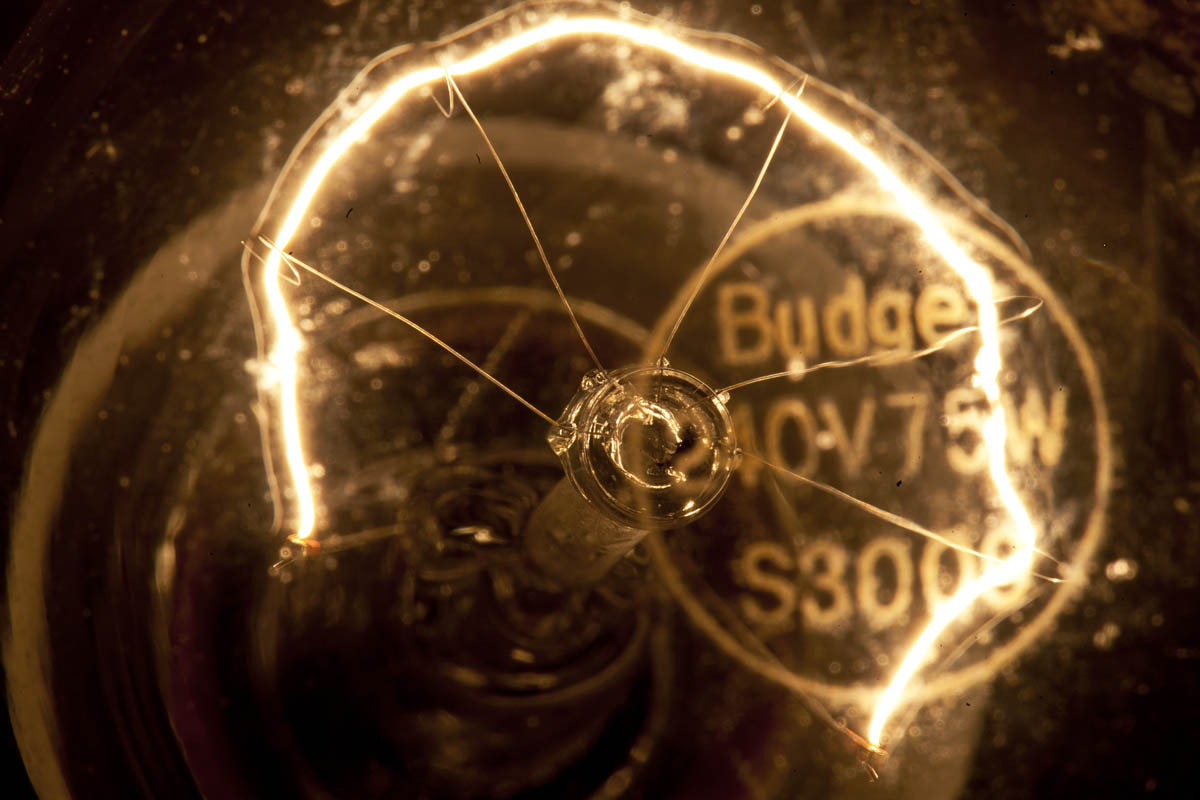
On this day, 120 years ago in 1892, Thomas Edison was granted a number of patents relating to electric lighting, including a “System of Electric Lighting”, an “Incandescent Electric Lamp”, a “System of Electrical Distribution” and an “Electric-Lighting System”. His initial design of the incandescent light bulb dates back even earlier, to 1879.

While inventions relating to the incandescent lamp had been suggested before Edison, his concept improved on previous attempts through the combination of three factors: a more effective and longer lasting filament, a higher vacuum than others were able to achieve, and a design that made power distribution from a centralized source economically viable.

Thomas Edison’s light bulb, lighting up our lives for more than a century.
(© All Rights Reserved)

An incandescent bulb works by heating a filament to a high enough temperature that it starts glowing.  This is done by passing an electrical current through the filament.  To keep the filament from oxidizing and “burning out”, it is isolated in an enclosure (the glass bulb) that either contains an inert gas, or is evacuated to create a vacuum.

The invention of the incandescent light bulb fundamentally changed the world, providing convenient and affordable lighting to the masses.  While it has since been surpassed by newer and more efficient lighting technologies like compact fluorescent lights and light-emitting diodes (LEDs), it still holds a place of prominence and importance within modern society.

Transit of Venus – Italian style

As mentioned earlier, we had an overcast, rainy, blustery day here in New Zealand, with the sun hidden behind thick clouds the entire day.  As a result the Transit of Venus sadly passed by without a single sighting.

Well, what can you do? So we decided to opt for the next best thing, and created our own version of the event…

The Transit of Venus – Italian style.
(© All Rights Reserved)

The birth of the modern day washing detergent

So… What should today be celebrated for?

Apparently it’s Drive-In Movie Day in the US, celebrating the first drive-in movie theater opening in Camden New Jersey in 1933. Today is also the commemoration of D-Day, 1944, when Allied troops invaded the beaches of Normandy, France.  Hmmm, well yes.

Perhaps most significantly, today is the Transit of Venus – a once in a lifetime (ok, twice-in-125-years, to be exact) event when Venus will be seen passing in orbit between the earth and the sun. Next time this will happen will be 2117, so it’s a pretty big deal, but unfortunately things are looking heavily overcast here in NZ, so I’m not holding my breath.

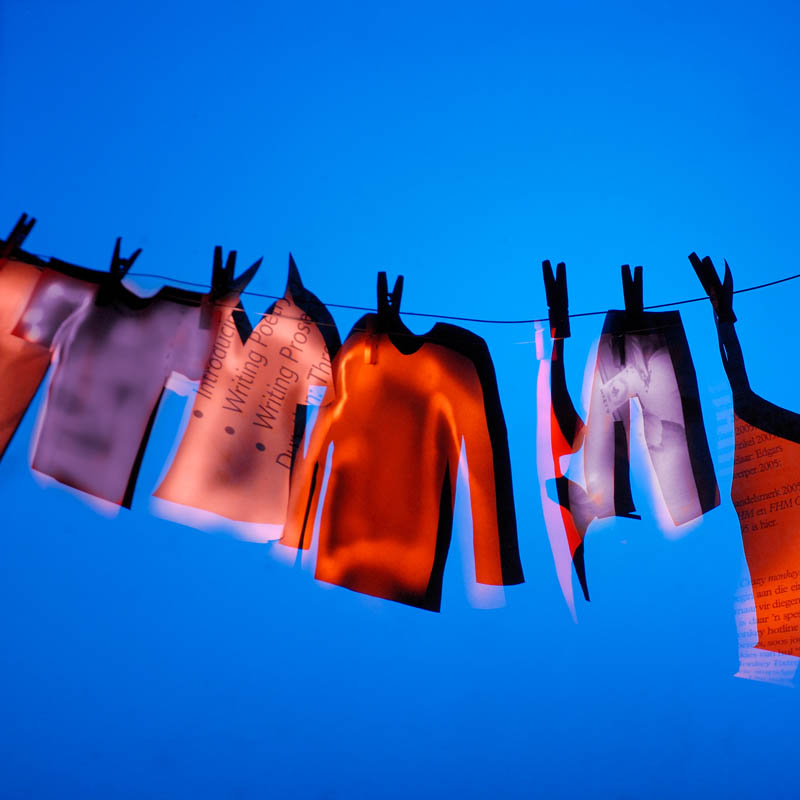
No, instead of drive-in movies, invading troops or passing planets, today I’m celebrating fresh, clean and stain-free clothes!  Because today in 1907, Persil was introduced by Henkel & Cie as the first commercially available “self-activated” washing powder in the world. The term self-activated refers to the fact that it combined bleach and soap in a single powder.

Never take your clean, bright, stain-free washing for granted again – it took some clever chemistry more than 100 years ago to make it happen!
(© All Rights Reserved)

Interestingly, the name Persil comes from a combination of the two main chemical components in the detergent, namely sodium perborate (a bleaching agent) and silicate (a washing agent).

Before Persil came up with this innovative combination of bleach and soap, washing powder was really nothing more than crushed soap, which cleaned clothes but had little stain-removal effect.  The sodium perborate in the new product oxygenated to form small bubbles that permeated the washing, and bleached out stains, replacing the earlier-used method of laying clothes out in the sun to bleach.

So not only did it save time, but also a lot of effort, making laundry day much less of a chore. And that must be worth celebrating!

(Source: http://en.wikipedia.org/wiki/Persil)

World Environment Day

Today we celebrate World Environment Day, a global event initiated by the United Nations Environment Programme (UNEP) to promote awareness regarding global environmental issues, and to create positive environmental action. Its a day for all people to join hands and start taking action to ensure a cleaner, greener, brighter future.

The 2012 theme for World Environment Day is Green Economy: Does it include you? In the first place, this is meant to raise general awareness of the concept of the “green economy”, and secondly to promote personal involvement in activities supporting a greener future. Simply stated, the green economy is one “whose growth in income and employment is driven by public and private investments that reduce carbon emissions and pollution, enhance energy and resource efficiency, and prevent the loss of biodiversity and ecosystem services” (UNEP, 2012).

The theme for World Environment Day 2012 is Green Economy: Does it include you?
(© All Rights Reserved)

At a macro level, the green economy is about a move to more sustainable energy sources such as solar, water and wind energy, about infrastructure development promoting green buildings and clean transportation, about water and waste management, about big business investing in more sustainable business practices, and about sustainable job creation and poverty reduction.

While these are all critically important initiatives that need to be promoted and supported, it really does start with each of us, at an individual level, investing in a more environmentally aware lifestyle. Recycling household waste, doing your own composting, growing your own (organic) fruit and veges, conserving water and electricity, minimising waste, buying used products & buying bulk – these are all ways in which we can do our bit for a greener, healthier planet.

The green economy is all about preserving our natural heritage for future generations.
(© All Rights Reserved)

For more ideas on living responsibly, this How to be Green Guide is a nice place to start.

Enjoy the world, responsibly!

International Day of Innocent Children Victims of Aggression

Today is International Day of Innocent Children Victims of Aggression – a stark reminder and acknowledgement of the pain suffered by children throughout the world who are the victims of physical, mental and emotional abuse.

(© All Rights Reserved)

This day also celebrates the millions of individuals and organisations around the world, working to protect, preserve and promote the rights of children.

The ”Say Yes for Children” campaign, endorsed by almost 100 million people (from Nelson Mandela and Bill Gates to everyday people across the globe), identifies 10 positive actions to be taken to improve the lives of children:

1. Leave No Child Out
All forms of discrimination and exclusion against children must end.

2. Put Children First 
It is the responsibility of everyone – governments, individuals, non-governmental organisations, religious groups, the private sector and children and adolescents themselves – to ensure that children’s rights are respected.

3. Care for Every Child 
Ensure all children the best possible start in life.

4. Fight HIV/AIDS 
Protect children and adolescents and their families.

5. Stop Harming and Exploiting Children 
Violence and abuse must be stopped now. And the sexual and economic exploitation of children must end.

6. Listen to Children 
Respect the rights of children and young people to express themselves and to participate in making the decisions that affect them.

7. Educate Every Child 
Every child – all girls and boys – must be allowed to learn.

8. Protect Children from War 
No child should experience the horrors of armed conflict.

9. Protect the Earth for Children 
Safeguard the environment at global, national and local levels.

10. Fight Poverty
Invest in Children Invest in services that benefit the poorest children and their families, such as basic health care and primary education. Make the well-being of children a priority objective of debt relief programmes, development assistance and government spending.

[Quoted from the Unicef Say Yes for Children website.]

Repeat Day Repeat

Today is Repeat Day. Today is Repeat Day. Yes, indeed, the 3rd of June is Repeat Day.

At the risk of repeating myself, I just wanted to let you know that today is Repeat Day.

So here’s hoping you have a happy Repeat Day! Repeat Day! Repeat Day!

21st Century Campbell’s. Amazing to think, almost half a century after Andy Warhol did his original Campbell’s Soup Series, that Campbell’s Soup is still around, and the logo still looks exactly the same!
(© All Rights Reserved)